

How to Use Texture in Interior Design
August 26, 2025Texture doesn’t always have to be related to touch; it can also be visual, which can add interest and depth, while also providing balance. Texture plays a crucial role in interior design. Whether tactile, visual, or both, using texture strategically can enhance the comfort of a room and elevate the look and feel of the aesthetic in a room. Here’s what to know and some ideas for how to use texture in interior design:
2 Types of Texture in Interior Design
Tactile texture and visual texture are the two types of texture in interior design. Getting them right creates visual interest, depth, and comfort in a space, while keeping the overall atmosphere balanced and supporting function, form, and flow.
- Tactile Texture = How does it feel if I actually touch it? (i.e., surface feel)
- Visual Texture = What does it look like it feels like? (i.e., illusion of texture)
11 Ideas For Using Texture in Interior Design
These are a few ways to use texture in interior design and some ideas for how to incorporate each one to inspire you:
- Use wall trim.
- Put trim on the ceiling.
- Mix different materials and layer textiles.
- Use natural elements.
- Pick textured accent pieces.
- Play with light.
- Consider textured wall treatments.
- Play with wallpaper.
- Decorate with sculptural wall decor.
- Create an interesting floor.
- Put down a rug.
 1. Use Wall Trim
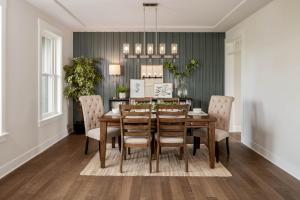
Wall trim can add both tactile and visual texture to a room and is a classic way to add texture to your walls. Depending on the trim you choose and the style you’re going for, you can do a full wall of trim to create an accent wall or enhance your walls with partial trim that covers the bottom half of it.
Wainscoting is a popular and classic type of wall trim that usually runs along the bottom half of the wall, and works with a wide variety of styles. Picture molding or other types can be used to create shapes on the wall. There are many different types of wall trim you can use to create the look you want. You can also get creative with colors, molding, and decorative details.
 2. Put Trim on the Ceiling
There are also several ceiling design ideas that provide options for using texture in interior design. In addition to the color you choose for the ceiling, you can have crown molding installed on the ceiling instead of the wall.
This is a crown molding idea that adds texture and visual interest while creating the illusion of a higher ceiling by drawing the eye upwards. You can also put other types of trim on the ceiling and get creative with tray ceilings.
Although traditional tray ceilings create a stepped-up, layered look to your ceiling, you can add more texture with different ways to decorate tray ceilings that include different types of trim or decorative details. One option is to combine the tray ceiling concept with trim to create a grid on your ceiling with depth.
This also gives you the opportunity to match or complement paint and trim colors in the rest of the room by taking it up to the ceiling. Grid-style ceilings add visual texture, depth, and interest, while including physical elements that also add texture to a room.
 3. Mix Different Materials and Layer Textiles
The materials you choose are a classic way to add texture in interior design. Mixing materials in ways that work can enhance and elevate a look even further and add even more visual interest. Wood and metal are combinations that can enhance a modern or industrial look.
You can also enhance a specific aesthetic by pairing different fabrics and textiles with wood or metal. Rustic wood or wood with warm tones and natural textiles can help create a variety of different types of farmhouse styles. Fabrics on furniture can also be a great place to play with both materials and patterns. This can be a great way to decorate with plaid or other bold patterns without overwhelming the room.
You can also mix different fabrics and textiles to layer them and add texture in interior design. The fabric of furniture doesn’t necessarily have to match the throw pillows, blankets, or other textiles in the room. Instead, you can mix, vary, and complement textiles in materials, fabrics, and accessories for a more interesting visual.
 4. Use Natural Elements
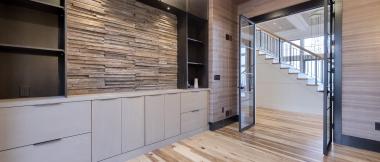
Using natural elements is another way to use texture in interior design. One way to do this is to use wood or stone in your home design. Exposed wooden beams add texture and visual interest to the ceiling. Sliding barn doors using repurposed wood can make a statement.
Brick or concrete accent walls can create a rustic or industrial look. Stone can also be incorporated via quartz or marble countertops and in other areas. Greenery and flowers can also add texture using natural elements. Decorating with houseplants can incorporate natural elements in a softer way.
 5. Pick Textured Accent Pieces
Accent pieces and decor are great areas to use texture in interior design. You also have a lot of flexibility to play with bolder choices because you’re not dealing with more permanent, structural elements. Mirror frames, picture frames, and lighting fixtures can be good areas to explore textured accent pieces in impactful ways. Getting creative with the frame is one of the home decor tips for using mirrors.
When it comes to other accessories and decor, ceramics can be a way to add natural elements that are on the sleeker side, while accessories like woven baskets or rugs can add natural elements that are on the more rustic side. Woven baskets and rugs are also great options for layering with other textiles or mixing with other materials.
Woven baskets, like those made of rope, rattan, bamboo, wood, etc., in a metal cabinet or under a metal end table add texture and contrast. Mixing pieces, materials, and styles like this is an end table decor idea that can add texture and subtly elevate the design of a room, while also adding a little extra storage and organization.
 6. Play With Light
Light is essential to a room, and makes a big difference in the use of it and the atmosphere in it. In addition to making sure you have the right mix of lighting options in a room, you can also play with light to highlight areas or create shadows for visual texture.
Recessed lights or wall sconces can highlight prominent art pieces on a wall. You can also consider how different light sources and light levels interact with the other design elements of the room. Light will reflect and look different on different textures, colors, and materials. For example, direct light can be used to emphasize texture, while diffused light can be used to soften texture, especially on rougher surfaces and materials.
The right type, color, brightness, etc. of light will depend on the material and whether you need light to emphasize and enhance or soften and downplay to create the look and feel you want. Layering lighting, making it more customizable, and using it to highlight design and decor are home lighting trends you can use to highlight and use texture in your interior design.
7. Consider Textured Wall Treatments
Wall trim is not the only way to add texture to your walls. Using texture rollers while painting can add texture onto the walls. However, you want to make sure that this is the look you will want, at least for a while.
Painting your walls with a texture roller uses a joint compound to create the texture, which makes it more difficult to remove if you want to change things later. You won’t be able to simply paint over it to change textures; you’ll need to remove the joint compound or sand it down first.
If you want to add visual texture to your walls without committing to a textured wall treatment, you can try wallpaper accents or using stencils to include painted designs. There are also textured wallpaper options available, which could be an option if you want to try it out, but don’t want to use texture rollers.
 8. Play With Wallpaper
Wallpaper has come a long way. In addition to textured wallpaper that provides both tactile and visual texture, there are also tons of designs, styles, types, and wallpaper trends that can add texture to your interior design.
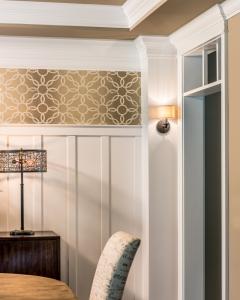
Wallpaper featuring a design that complements your interior design style can be used as an accent wall, as an accent strip to enhance wall trim, as a border in a room, and more. You can also opt for wallpaper that features metallic accents for a touch of shine and glimmer to catch the eye. You can even put wallpaper on the ceiling for an interesting visual detail.
9. Decorate With Sculptural Wall Decor
Sculptural wall decor combines wall art with sculptures and texture for interesting and dynamic visuals. Macramé wall hangings, wood or metal vintage signs, lightweight metal wall art, and more can add texture to your walls and to your interior design.
Metal wall art is a popular option for sculptural wall decor. It’s also an idea for decorating with corrugated metal and is something that can enhance an industrial style. Other types of metals and art designs can elevate other styles. Metal flowers or nature scenes can enhance a farmhouse, country, or rustic look and feel.
 10. Create an Interesting Floor
There are several flooring options available that can work well in whatever style you prefer. Depending on what you need from the flooring in a room and the look you’re going for, there are options that can also add texture.
Repurposed or reclaimed wood can give an elegant, rustic look to a room, while also adding texture. A glossy hardwood or luxury vinyl designed to look like a glossy hardwood also provides texture, but in a different way. A flooring material like cork or rubber will offer something completely different.
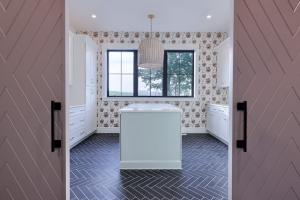
With LVP (luxury vinyl planks), LVT (luxury vinyl tile), or other tile materials, you can create texture with different materials and with different designs and patterns. Planks and tiles can be arranged to create interesting visual patterns on the floor for visual texture in addition to the texture provided by the material you choose to use.
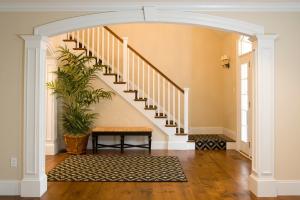 11. Put Down a Rug
Another way to add texture to your interior design on the floor is to put down a rug. Placing area rugs strategically and using the design and material of them to enhance the overall look and feel of a room are flooring trends.
This is something you can do even if you’re opting for wall-to-wall carpet in a room. Not only can you explore different carpet fibers, textures, and piles, but you can also layer area rugs over carpet for an interesting visual. Area rugs can also be used to add some extra comfort to an area, define zones in an open-concept space, and more.
Design and Build Your Dream Home With Custom Home Group
These are just a few ideas for how to use texture in interior design. If no amount of redecorating or remodeling is making your current home work for you, consider working with a custom home builder to design and build a custom home.
An experienced custom home builder, especially one with an in-house design/build process, can help you narrow down options based on your goals and ensure you end up with the home you want. If you’re ready to bring your dream home to life in Central Pennsylvania or Northeastern Maryland, contact Custom Home Group at 717-284-4090!